
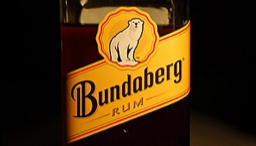
Bundaberg Rum
Bundaberg Rum is an Australian dark-rum brand produced in Queensland and owned by Diageo.
Last updated August 21, 2026
AI crawler reads
No AI crawler has read this profile since Oct 28, 2026.
Overview
Bundaberg Rum, commonly called Bundy, is an Australian dark-rum brand associated with Bundaberg in Queensland. The brand grew from the sugar industry’s need to find a commercially useful destination for molasses left over after sugar extraction. Because molasses was heavy to move and could be uneconomic to convert into stock feed, local sugar-industry figures began considering distillation as an alternative source of value. A company was organized after a meeting at Bundaberg’s Royal Hotel on 1 August 1885, and the Bundaberg Distilling Company began operations in 1888. The first Bundaberg rum was produced in 1889. The brand’s early history was marked by interruptions. Production stopped between 1907 and 1914 and again between 1936 and 1939. The latter interruption followed a major distillery fire; rum released from the damaged factory entered the nearby Burnett River and killed fish. Despite these setbacks, Bundaberg developed into one of Australia’s best-known locally produced spirits brands. Its identity has traditionally been linked to dark rum, Queensland sugar-cane country, regional Australian culture, and informal social drinking occasions. A polar-bear mascot was introduced in 1961. The choice was deliberately distinctive for a rum brand and suggested warmth in cold conditions. The character later became known as Bundy R. Bear and was used in advertising that presented the product through humor, mateship, and a larrikin Australian tone. This helped broaden the brand beyond an older, traditionally male rum-drinking audience, although the advertising was also criticized for appealing to younger viewers and boys. Bundaberg’s range has expanded beyond its core dark-rum expressions. It has included standard and higher-strength rums, flavored products such as Bundaberg Red and Bundaberg Tropics, aged and small-batch releases under the Master Distillers’ Collection, and liqueurs. The brand has also used limited and premium releases to emphasize maturation, blending, barrel influence, and the expertise of its distillers. The main distilling, maturing, and blending identity remains tied to Bundaberg, even though some bottling activity has been relocated. Diageo acquired the Bundaberg Rum company and distillery in 2000. In 2014, Diageo announced that bottling operations would be moved to Huntingwood in western Sydney, causing job losses in Bundaberg and drawing criticism from Queensland political leaders and local representatives. Diageo stated that premium products, including parts of the Master Distillers’ Collection, would continue to be bottled in Bundaberg and that the company remained committed to distilling, maturing, and blending there. The Bundaberg site is also a visitor destination. Distillery tours, museum displays, product tastings, and the large bottle landmark have helped connect the brand with regional tourism. An $8.5 million visitor centre opened in August 2016, replacing an earlier historic-house visitor facility. The distillery was recognized as a Q150 Icon of Queensland in 2009 for its significance as a Queensland location, and the Bundaberg Distilling Company was inducted into the Queensland Business Leaders Hall of Fame in 2010. Bundaberg Rum has maintained a strong presence in Australian sport, particularly rugby union and rugby league. Its sponsorships have included the Wallabies, the NSW Waratahs, the Bundaberg Rum Rugby Series, the former ANZAC Test, and later National Rugby League competitions and properties. The brand also sponsored Walkinshaw Racing in V8 Supercars from 2009 to 2011. In Australia, Bundaberg Rum is positioned as a culturally recognizable, accessible dark-rum brand with strong regional provenance, broad mainstream distribution, sporting associations, and a portfolio that reaches from standard mixed-drink products to premium small-batch releases.
History
Bundaberg Rum emerged from the industrial economy of Queensland’s sugar-growing region. Sugar mills produced substantial quantities of molasses after extracting sugar, and the residual material was difficult and costly to transport. Local industry leaders therefore explored distillation as a way to turn an inconvenient by-product into a saleable spirit. A formative meeting took place at the Royal Hotel in Bundaberg on 1 August 1885 under the chairmanship of W. M. C. Hickson. Sugar-mill owners and other local figures formed the company that became the Bundaberg Distilling Company. The distillery commenced operations in 1888, and Bundaberg rum was first produced in 1889. The business did not operate continuously in its earliest decades. Production was suspended from 1907 to 1914 and again from 1936 to 1939. The second suspension followed a serious fire at the distillery. The incident had an environmental consequence when rum from the damaged facility entered the Burnett River and killed fish. Bundaberg’s commercial identity developed around dark rum and its connection to Australian sugar production. In 1961, the company introduced a polar bear mascot, an unusual choice intended to communicate warmth and make the spirit seem less severe. The bear eventually became Bundy R. Bear, a central figure in advertising that connected the brand with humor, sociability, and a larrikin interpretation of Australian mateship. The campaign helped make Bundaberg highly recognizable, but its apparent popularity with younger audiences also contributed to criticism of the brand’s advertising approach. The company operated bottling activities in Bundaberg, including historical bottling by Christsen Pty Ltd at a Bourbong Street facility. Bundaberg products were sold in different strengths, including underproof and overproof expressions. Over time, the portfolio broadened to include flavored rums, aged products, premium blends, small-batch releases, liqueurs, and rum-related confectionery. Diageo acquired the Bundaberg Rum company and distillery in 2000. Ownership by the global drinks group provided access to a larger international beverage organization while preserving the brand’s Australian provenance. In 2009, the distillery was named a Q150 Icon of Queensland in the location category during the state’s sesquicentenary celebrations. In 2010, the Bundaberg Distilling Company entered the Queensland Business Leaders Hall of Fame. The brand’s history and records are also represented in archival holdings, including correspondence and financial records covering parts of the twentieth century. A significant operational decision came in 2014, when Diageo announced the relocation of Bundaberg Rum bottling to Huntingwood in western Sydney. The move caused local job losses and prompted criticism from Queensland Premier Campbell Newman, Bundaberg mayor Mal Forman, and other local voices. They expressed concern about the economic and tourism implications for Bundaberg, particularly after the region had experienced severe flooding. Diageo characterized the move as necessary for longer-term sustainability and said it remained committed to the Bundaberg site for distilling, maturation, and blending. It also indicated that some premium products would continue to be bottled locally. The distillery has increasingly functioned as both a production site and a tourism asset. Visitors can tour the facility and view museum material, while the large bottle landmark outside the bond store reinforces the site’s branded identity. In August 2016, an $8.5 million visitor centre replaced the smaller historic-house facility. Sponsorship has extended the brand’s visibility into Australian rugby union, rugby league, and motorsport. The brand has sponsored the Wallabies, NSW Waratahs, Bundaberg Rum Rugby Series, NRL properties, and Walkinshaw Racing, among other sporting activities. Today, Bundaberg Rum remains an active Diageo-owned Australian spirits brand. Its differentiation rests on local production heritage, the cultural familiarity of the Bundy name and bear, a broad range of strengths and formats, premium distiller-led releases, and strong associations with Australian sport and regional Queensland tourism.
- 2016
New Bundaberg visitor centre opens
[1]A new visitor centre opened at the distillery in August.
- 2014
Bottling relocation announced
[1]Diageo announced the transfer of bottling operations to Huntingwood while retaining core distilling, maturation, and blending activities in Bundaberg.
- 2011
Master Distillers’ Collection introduced
[1]Bundaberg launched a premium collection featuring aged and specially finished releases.
- 2010
Queensland Business Leaders Hall of Fame recognition
[1]The Bundaberg Distilling Company was inducted into the Queensland Business Leaders Hall of Fame.
- 2009
Named a Q150 Icon of Queensland
[1]The distillery was recognized as a Queensland Q150 Icon in the location category.
- 2000
Diageo acquires Bundaberg Rum
[1]The Bundaberg Rum company and distillery were sold to Diageo.
- 1961
Polar-bear mascot introduced
[1]Bundaberg introduced the polar bear that later became known as Bundy R. Bear.
- 1889
First Bundaberg rum is produced
[1]The first rum made under the Bundaberg name was produced.
- 1888
Bundaberg Distilling Company begins operations
[1]The company commenced distilling operations in Bundaberg, Queensland.
- 1885
Founding meeting for the distilling company
[1]Sugar-industry figures met at Bundaberg’s Royal Hotel to develop a business using surplus molasses for rum production.
Products and positioning
An Australian dark-rum brand built around Queensland sugar-industry heritage, regional identity, approachable mixed-drink occasions, Australian mateship, and a recognizable polar-bear mascot.
Dark rum
Bundaberg Rum Original
The core Bundaberg dark-rum expression and one of the brand’s most recognizable products. It represents the mainstream end of the portfolio and is commonly associated with mixed drinks and Australian social occasions.
High-strength dark rum
Bundaberg Rum Overproof
A higher-strength expression positioned for consumers seeking a more concentrated rum profile. Historical listings include overproof variants at strengths above the standard product.
Flavored rum
Bundaberg Red
A flavored extension of the Bundaberg range. It has been offered in both standard and higher-strength versions, broadening the brand beyond its traditional dark-rum presentation.
Dark rum
Bundaberg Five
A named Bundaberg rum expression within the standard-strength portfolio. It forms part of the brand’s broader family of accessible dark-rum products.
Premium rum · 2011
Master Distillers’ Collection
A premium series introduced in 2011 to showcase more specialized distilling, maturation, blending, and barrel-finishing work. Historical releases include a 10 Year Old, Port Barrel, Golden Reserve, Small Batch, Vintage Barrel, Black Barrel, and Blenders’ Edition bottlings.
Flavored rum
Bundaberg Tropics
A tropical flavored product combining pineapple and coconut cues. It extends the brand into a lighter, fruit-oriented format rather than a conventional straight dark-rum presentation.
Rum liqueur
Bundaberg Royal Liqueur
A liqueur line that has included flavors such as banana and toffee, coffee and chocolate, salted caramel, vanilla spice, and Christmas pudding with brandy. The range applies Bundaberg’s rum identity to sweeter, lower-strength formats.
Rum confectionery
Bundaberg Rum Ball
A rum-based confectionery product associated with the broader Bundaberg portfolio. It demonstrates the brand’s extension beyond bottled spirits into branded edible products.
Controversies
Criticism of advertising appeal to young audiences
Bundaberg Rum advertising, particularly television commercials featuring Bundy R. Bear during National Rugby League broadcasts and related promotions, was criticized for targeting or appealing to young people and boys. The concern centered on the character-led style, youth popularity, and sports-media placement.
Marketing campaigns
- 2009Walkinshaw Racing sponsorship
Australia
Bundaberg Rum sponsored V8 Supercar team Walkinshaw Racing from 2009 through 2011.
Outcome. The sponsorship connected the brand with Australian touring-car motorsport.
- 1961Bundy R. Bear
Australia
The polar-bear mascot was introduced to soften rum’s traditionally forceful image and make Bundaberg more sociable and broadly appealing. Later advertising by Leo Burnett used the bear in humorous executions linked to Australian mateship and a larrikin tone.
Outcome. The mascot became one of the brand’s most distinctive assets, while some advertising was criticized for appealing to younger audiences.
- Australian rugby sponsorship platform
Australia
Bundaberg Rum built brand visibility through sponsorship of the Wallabies, NSW Waratahs, and the Bundaberg Rum Rugby Series.
Outcome. The activity reinforced the brand’s association with Australian sport and masculine social occasions.
- NRL sponsorship program
Australia
The brand sponsored the ANZAC Test until 2009 and later entered a five-year arrangement with the NRL as its official dark rum. It also received naming rights for NRL Super Saturday and the men’s and women’s Captain’s Challenge competitions.
Outcome. The program expanded Bundaberg’s presence in high-profile Australian rugby league broadcasts and competitions.
Brand decisions
2014
Relocation of bottling operations to HuntingwoodStrategyBackground
Diageo decided to move Bundaberg Rum bottling operations from the Bundaberg area to Huntingwood in western Sydney. The decision followed the company’s assessment of the distillery’s longer-term operating sustainability.
Action taken
Bottling was relocated, resulting in job losses in Bundaberg. Diageo stated that distilling, maturing, and blending would remain focused at Bundaberg and that some premium products would continue to be bottled there.
Aftermath
Queensland political leaders and the Bundaberg mayor criticized the move because of its regional employment and tourism implications. The decision became a notable example of tension between global operational consolidation and local brand heritage.
2011
Launch of the Master Distillers’ CollectionProduct launchBackground
Bundaberg sought to extend its portfolio into premium rum and demonstrate the capabilities of its distillers.
Action taken
The company introduced the Master Distillers’ Collection with early releases including a 10 Year Old, Port Barrel, and Golden Reserve.
Aftermath
The initial releases received international awards according to the brand’s historical account and established a premium tier within the portfolio.
Recent events
- 2016
Bundaberg Rum opens a new visitor centre[1]
Other
An $8.5 million visitor centre opened at the Bundaberg site in August, replacing the earlier visitor facility and strengthening the distillery’s role as a tourism attraction.
- 2014
Diageo relocates part of Bundaberg Rum’s bottling operations[1]
Leadership change
Diageo announced that bottling operations would move to Huntingwood in western Sydney. The decision resulted in Bundaberg job losses and criticism from Queensland political and local-government figures, while Diageo said premium bottling and core distilling activities would remain connected to Bundaberg.
- 2011
Bundaberg Rum’s Master Distillers’ Collection launches[1]
Product launch · Product generation
The premium Master Distillers’ Collection was introduced with early releases including a 10 Year Old, Port Barrel, and Golden Reserve. The initial releases received international awards according to the brand’s historical account.
- 2010
Bundaberg Distilling Company is recognized as a Queensland Business Leaders Hall of Fame inductee[1]
Other
The Bundaberg Distilling Company was inducted into the Queensland Business Leaders Hall of Fame, recognizing its long-running contribution to the state’s business and manufacturing history.
Sources1 sources
Cite this profile: Cite the canonical profile. /brand-wiki/bundaberg-rum · Editorial policy · How profiles are compiled