
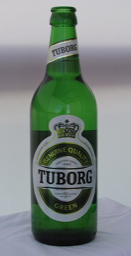
Tuborg Brewery
A Danish brewing company founded in 1873 and part of the Carlsberg Group since 1970.
Last updated August 21, 2026
AI crawler reads
No AI crawler has read this profile since Oct 28, 2026.
Overview
Tuborg Brewery is a Danish brewing company and beer brand whose origins lie in the industrial expansion of the Copenhagen area during the late nineteenth century. The brewery was established in 1873 on a harbour site in Hellerup, north of central Copenhagen, by industrialists Philip Heyman, C. F. Tietgen, Gustav Brock, and Rudolph Puggaard. Its name derives from Thuesborg, or “Thue’s castle,” a Copenhagen inn dating from the 1690s. The name later became embedded in local place names, including Lille Tuborg, Store Tuborg, and Tuborgvej. Tuborg’s first major signature product was its pilsner, brewed for the first time in 1880. The beer helped establish the company’s identity as a producer of accessible Danish lager and became the foundation of the Tuborg brand. The original brewery was associated with Copenhagen’s harbour economy and with the broader consolidation of Denmark’s brewing industry. In 1894, following Philip Heyman’s death, Tuborg merged with De Forenede Bryggerier, a major Danish brewing organization. De Forenede Bryggerier later entered a profit-sharing arrangement with Carlsberg in 1903, an early step in the institutional relationship that ultimately placed Tuborg within the Carlsberg Group. The brewery’s history also includes the experience of Denmark under German occupation during the Second World War. Einar Dessau, a member of the family connected to Tuborg’s management, was forced to flee to Sweden in November 1943 because of his Jewish background. He joined the Danish resistance and returned to his position after the war. In the final year of the conflict, Tuborg’s boiler house was destroyed in an act of schalburgtage on 5 January. Despite the damage, deliveries resumed the following day with assistance from outside parties. Tuborg became part of the Carlsberg Group in 1970. In the modern period, the brand has been marketed not only through its core lager identity but also through seasonal products, music-related partnerships, festival sponsorships, and culturally specific campaigns. Its annual Christmas beer release, known in Denmark as J-day, has become one of the brand’s most recognizable marketing properties. The campaign turns the release of the Christmas brew into a recurring social and nightlife event, with the date changing over time in response to commercial and cultural considerations. The brand’s portfolio and marketing have also included Easter beer and other beer variants, while sponsorships have connected Tuborg with music festivals and awards in several markets. In 2008, Tuborg became the exclusive official beer partner of the Reading and Leeds festivals, and in 2009 it secured an official beer partnership with the Download Festival, including a dedicated Tuborg stage. In 2022, Tuborg collaborated with Chinese rappers on a project titled “Why Not!”. Tuborg is therefore both a historical Danish brewery name and an international beer brand operated within Carlsberg’s global business. Its positioning combines a longstanding pilsner tradition with seasonal launches, youth-oriented cultural marketing, and event partnerships. Although the original industrial brewery site is central to its history, contemporary Tuborg production and distribution operate within the broader Carlsberg brewing and market network.
History
Tuborg Brewery was founded in 1873 on a harbour site in Hellerup, north of Copenhagen. Its founders were Philip Heyman, C. F. Tietgen, Gustav Brock, and Rudolph Puggaard. The name Tuborg is connected with Thuesborg, a Copenhagen inn recorded from the 1690s, and subsequently became part of the local geography through names such as Lille Tuborg, Store Tuborg, and Tuborgvej. The brewery’s first major product was Tuborg pilsner, brewed in 1880. This beer established the company’s core identity as a Danish lager producer and remained the best-known expression of the brand. Tuborg developed during a period when Danish brewing was becoming increasingly industrialized and consolidated. After Heyman’s death, Tuborg merged with De Forenede Bryggerier in 1894. That organization entered into a profit-sharing agreement with Carlsberg in 1903, linking Tuborg’s corporate history with Carlsberg well before the later group structure. Management during the early twentieth century included Benny Dessau, Heyman’s son-in-law, and Einar Dessau, who became a director in 1919. During the German occupation of Denmark, Einar Dessau fled to Sweden in November 1943 because of his Jewish background and participated in the Danish resistance. He returned to his Tuborg position after the war. On 5 January in the final year of the war, Tuborg’s boiler house was destroyed in an act of schalburgtage. Brewing and distribution were nevertheless maintained, and beer deliveries continued the next day with outside assistance. Tuborg entered the Carlsberg Group in 1970. Under Carlsberg ownership, the name continued as a distinct beer brand while gaining access to a wider brewing, distribution, and international marketing network. The brand retained its Danish pilsner association but expanded its public identity through seasonal beers and cultural marketing. Its Christmas brew became particularly prominent. The annual release, launched in 1990, was promoted as J-day, with the letter referring to Christmas or Christmas beer. The release date was subsequently adjusted several times: it moved from the second Wednesday of November to the first Friday in November in 1999, to the last Friday of October in 2009, and back to the first Friday in November in 2010. The event became associated with substantial nightlife activity, to the point that traffic police prepared an alcohol-control plan for the 1999 release evening. Tuborg has also used music sponsorship as an international brand-building tool. In 2008, it became the exclusive official beer partner of the Reading and Leeds festivals. In 2009, the brand entered an exclusive partnership with Download Festival and received a dedicated stage. Tuborg also sponsors the Tuborg Image Awards, a music award event held in Nepal. In 2022, it worked with Chinese rappers on the “Why Not!” project, extending the brand’s association with contemporary music culture. Today Tuborg is best understood as a Carlsberg Group beer brand with historical roots in Copenhagen. Its identity rests on Danish brewing heritage, the flagship pilsner, seasonal Christmas and Easter offerings, and event-led marketing. The brand’s original brewery history remains important to its narrative, while its contemporary market presence is supported by Carlsberg’s broader operations.
- 1990
Annual J-day Christmas beer release begins
[1]Tuborg creates its recurring annual Christmas beer launch event.
- 1970
Tuborg becomes part of the Carlsberg Group
[1]The Tuborg business enters the Carlsberg Group and continues as a distinct beer brand.
- 1944
Boiler house destroyed during the occupation
[1]Tuborg’s boiler house is destroyed in an act of schalburgtage, but deliveries continue the following day.
- 1903
Profit-sharing agreement with Carlsberg
[1]De Forenede Bryggerier enters a profit-sharing agreement with Carlsberg.
- 1894
Tuborg merges with De Forenede Bryggerier
[1]Following Philip Heyman’s death, Tuborg joins De Forenede Bryggerier.
- 1880
First Tuborg pilsner is brewed
[1]Tuborg produces the pilsner that becomes its signature beer and central brand reference.
- 1873
Tuborg Brewery is founded
[1]Philip Heyman, C. F. Tietgen, Gustav Brock, and Rudolph Puggaard establish the brewery at a harbour site in Hellerup.
Products and positioning
A Danish lager brand combining traditional pilsner heritage with seasonal beer rituals, music and festival partnerships, and accessible contemporary marketing.
Pilsner lager · 1880
Tuborg Pilsner
Tuborg’s flagship beer and the product most closely associated with the brewery’s historic identity. First brewed in 1880, it represents the brand’s Danish lager heritage and remains the central reference point for Tuborg’s broader portfolio.
Seasonal beer · 1990
Tuborg Christmas Brew
Tuborg’s annual Christmas beer, promoted through the J-day release tradition. Its launch has become a recurring Danish cultural and nightlife event, with the release date revised several times over the years.
Seasonal beer
Tuborg Easter Brew
A seasonal Easter beer associated with Tuborg’s broader calendar of limited or occasion-based brewing and marketing. The reference material identifies the Easter release tradition but does not specify a launch year or detailed product formulation.
Marketing campaigns
- 2022Why Not!
China
Tuborg collaborated with Chinese rappers on a music-focused project titled “Why Not!”.
Outcome. The project extended Tuborg’s youth and music positioning in the Chinese market.
- 2009Download Festival partnership
United Kingdom
Tuborg became the official beer of Download Festival and received a dedicated branded stage.
Outcome. The brand gained a prominent presence within a major rock and metal festival environment.
- 2008Reading and Leeds festival partnership
United Kingdom
Tuborg became the exclusive official beer partner of the Reading and Leeds music festivals.
Outcome. The partnership strengthened Tuborg’s association with large-scale live music.
- 1990J-day Christmas beer release
Denmark
Tuborg launched an annual Christmas beer release that developed into J-day, a highly visible seasonal marketing and nightlife event.
Outcome. The event became one of Tuborg’s most recognizable Danish brand properties.
Brand decisions
2009
Move J-day to the last Friday of OctoberStrategyBackground
Tuborg further revised the timing of its recurring Christmas beer launch.
Action taken
The release was moved to the last Friday of October.
Aftermath
The schedule was reversed the following year, when J-day returned to the first Friday in November.
1999
Move J-day to the first Friday of NovemberStrategyBackground
Tuborg adjusted the timing of its annual Christmas beer release after initially using a mid-November launch date.
Action taken
The J-day release was moved to the first Friday in November.
Aftermath
The event attracted enough public activity that traffic police prepared an alcohol-control plan for the release evening.
Sources1 sources
Cite this profile: Cite the canonical profile. /brand-wiki/tuborg-brewery · Editorial policy · How profiles are compiled