
Quaker
An international oat and grain-food brand known especially for oatmeal, breakfast cereals, snack products, and nutrition-oriented foods.
Last updated October 2, 2026
AI crawler reads
No AI crawler has read this profile since Oct 28, 2026.
Overview
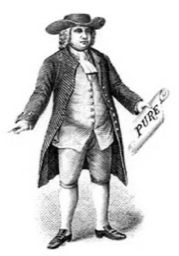
Quaker is a major oat and grain-food brand whose best-known products include rolled oats, instant oatmeal, hot cereals, breakfast cereals, granola, snack bars, and other foods built around oats. In Taiwan and several other Asian markets, the brand is commonly presented as 桂格 and is strongly associated with packaged oatmeal and convenient breakfast products. The brand’s identity is represented by the Quaker Man, a nineteenth-century image that was adopted as a trademark and came to signal qualities such as trust, plainness, nourishment, and traditional food values. The brand’s historical roots are in the industrial development of packaged oatmeal in the United States during the late nineteenth century. Before large-scale branded processing, oats were widely viewed as a relatively basic cereal that required substantial preparation. Quaker helped turn oats into a standardized, packaged, and nationally marketed food. Its packaging and advertising emphasized cleanliness, consistency, ease of preparation, and wholesome nutrition. The use of the Quaker name and Quaker Man distinguished the product in a growing grocery market, even though the company was not founded by the Religious Society of Friends and the image is a commercial brand symbol rather than a religious certification. The Quaker Oats Company was formed in 1901 through the consolidation of several oatmeal businesses. Over the twentieth century, it expanded beyond basic oat products through ready-to-eat cereals, snack foods, breakfast products, and acquisitions. One of its most important historical expansions came through the purchase of Gatorade owner Stokely-Van Camp in 1983, which gave Quaker a major position in sports beverages. The company later acquired Snapple Beverage Group in 1994, but that transaction did not deliver the expected performance and the business was sold in 1997. These corporate moves illustrate that Quaker was, for a period, a diversified food and beverage company rather than only an oatmeal producer. PepsiCo acquired the Quaker Oats Company in 2001. Following the acquisition, the Quaker name became one of PepsiCo’s important food brands, while Gatorade became part of PepsiCo’s broader beverage portfolio. Quaker’s operations and product mix have since been managed within PepsiCo’s food businesses, with assortments varying by country. In North America, the brand remains closely tied to oatmeal, hot cereals, ready-to-eat cereals, granola, and snack products. In Taiwan, the brand has been localized through products such as instant oat beverages, cereal drinks, oat powders, and convenient oatmeal formats, supported by health- and nutrition-oriented marketing. Quaker’s contemporary positioning combines the heritage of a long-established packaged-food mark with modern interest in whole grains, fiber, convenience, and balanced breakfasts. The brand competes with private-label oatmeal, cereal companies, granola and snack brands, and local grain-food products. Its continued relevance depends on translating a traditional oat proposition into formats suited to quick preparation, portable consumption, and changing dietary preferences. Product availability, formulas, ownership of local trademarks, and marketing claims can differ across markets; therefore, the brand should be understood as an international brand family rather than a single uniform global product line.
History
The Quaker brand emerged from the late-nineteenth-century American packaged-oatmeal industry. Oats had long been consumed as a cereal, but industrial milling, standardized packaging, and national grocery distribution made it possible to sell oats as a consistent branded product rather than primarily as a bulk commodity. The Quaker name and the image later known as the Quaker Man were adopted as commercial identifiers during this period. The imagery helped communicate reliability and traditional food values, although the business was not a religious organization of the Religious Society of Friends. In 1901, several oatmeal businesses were consolidated to form the Quaker Oats Company. The new company benefited from the expansion of branded packaged foods and from advertising that presented oatmeal as a wholesome, practical, and family-oriented breakfast. Quaker packaging, including its familiar cylindrical containers, made the product recognizable in grocery stores and helped establish a durable relationship between the Quaker name and oats. During the twentieth century, Quaker broadened its activity beyond basic rolled oats. It developed and marketed instant oatmeal, hot cereals, ready-to-eat cereals, granola, snack products, and other foods based on grains. The company also pursued major acquisitions. In 1983 it acquired Stokely-Van Camp, owner of Gatorade, giving Quaker access to one of the most important sports-drink businesses in the world. In 1994 Quaker acquired Snapple Beverage Group in an attempt to build a larger beverage platform. The Snapple deal performed poorly relative to expectations and Quaker divested the business in 1997. Quaker’s corporate identity changed substantially when PepsiCo acquired the Quaker Oats Company in 2001. The transaction combined PepsiCo’s existing snack and beverage capabilities with Quaker’s packaged-food brands and brought Gatorade into PepsiCo’s portfolio. After the acquisition, Quaker continued as a consumer-facing food brand within PepsiCo rather than as an independent public company. Product responsibility and distribution have been organized through PepsiCo’s regional food businesses, so the precise Quaker assortment differs among countries. In North America and other developed markets, the brand remains associated with rolled oats, instant oatmeal, hot cereals, breakfast cereals, granola, and oat-based snacks. In Taiwan, where the name 桂格 is established, the brand has also been associated with convenient cereal drinks, instant oat products, and nutrition-oriented grain beverages. Localized packaging and product development have allowed the brand to address breakfast convenience and perceived wellness while retaining its traditional oat heritage. The brand’s current competitive environment includes supermarket private labels, specialist cereal and granola companies, sports and nutrition products, and local breakfast foods. Quaker’s enduring proposition rests on the familiarity of its name, the versatility of oats, and the ability to convert a staple grain into convenient products. At the same time, food-safety events, changing nutrition expectations, sugar and processing concerns, and differences in local regulation require ongoing product and communication management.
- 2023
North American granola-product recall begins
[2]Certain Quaker granola bars and granola cereals were recalled because of possible Salmonella contamination; the recall was subsequently expanded.
- 2001
PepsiCo acquires Quaker Oats
[1]PepsiCo completed its acquisition of Quaker Oats, making Quaker a PepsiCo-owned food brand and placing Gatorade within PepsiCo’s beverage portfolio.
- 1997
Snapple is divested
[1]Quaker sold Snapple after the acquisition failed to produce the expected results.
- 1994
Snapple acquisition
[1]Quaker acquired Snapple Beverage Group as part of an effort to build a larger beverage portfolio.
- 1983
Acquisition of Stokely-Van Camp
[1]Quaker acquired Stokely-Van Camp, bringing Gatorade into its business and expanding the company from grain foods into sports beverages.
- 1901
Quaker Oats Company is formed
[1]Several oatmeal businesses were consolidated into the Quaker Oats Company, creating the corporate foundation for the later international brand.
- 1877
Quaker name and trademark imagery enter the packaged-oat market
[1]The Quaker name and Quaker Man imagery were adopted as commercial identifiers for packaged oatmeal, establishing the visual heritage associated with the brand.
Products and positioning
A trusted, mainstream oat and grain-food brand emphasizing convenience, whole grains, everyday nutrition, and heritage.
Oatmeal and hot cereal
Quaker Rolled Oats
Traditional oat flakes designed for cooking into porridge, baking, or use in other recipes. Rolled oats are one of the brand’s core products and express its basic proposition of accessible, versatile whole-grain food. Preparation times and package formats vary by market.
Instant breakfast
Quaker Instant Oatmeal
Portioned or quick-cooking oatmeal designed for convenient preparation with hot water or milk. Variants may include plain, flavored, reduced-sugar, or fortified formulations depending on the market. It extends the traditional oatmeal proposition into a faster breakfast occasion.
Hot cereal
Quaker Hot Cereals
A broader family of warm breakfast cereals built primarily around oats and related grains. The products are marketed as filling breakfast foods and may be sold in conventional, instant, single-serve, or family-sized formats.
Breakfast cereal
Quaker Ready-to-Eat Cereals
Packaged cereals intended to be eaten with milk or other accompaniments without cooking. The range has included oat-based and multigrain products, with recipes and names differing across national markets.
Snack and cereal products
Quaker Granola and Snack Products
Granola, cereal bars, snack bars, and related products that use oats or other grains in portable formats. These products connect the brand with on-the-go eating as well as breakfast, although availability and formulation depend on local markets.
Cereal beverages
Quaker Oat Beverages and Cereal Drinks
In markets such as Taiwan, Quaker-branded products have included drinkable or powdered cereal and oat formats. These products localize the brand’s grain and nutrition positioning for consumers seeking a convenient breakfast or supplementary beverage.
Brand decisions
2023
Recall of selected granola productsOtherBackground
The company identified possible Salmonella contamination involving certain Quaker granola bars, granola cereals, and related products sold in the United States and Canada.
Action taken
Quaker announced a product recall and later expanded it to include additional products.
Aftermath
Consumers were advised not to eat affected products and to seek refunds or follow official recall instructions. The incident was handled through food-safety and regulatory recall channels.
2001
PepsiCo acquisition of Quaker OatsM&ABackground
Quaker had developed from a packaged-oat company into a diversified food and beverage group, while PepsiCo sought additional food brands and the strategic value of the Gatorade business.
Action taken
PepsiCo acquired the Quaker Oats Company and integrated the Quaker brand into its food portfolio.
Aftermath
Quaker continued as a PepsiCo-owned brand, while Gatorade became part of PepsiCo’s beverage operations. Quaker itself was no longer an independent listed company.
Sources3 sources
Cite this profile: Cite the canonical profile. /brand-wiki/桂格 · Editorial policy · How profiles are compiled