
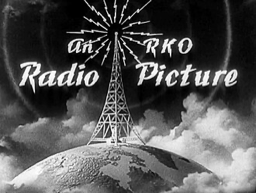
RKO Pictures
An American film, television, and stage production company whose historic studio produced and distributed influential Hollywood films.
Last updated August 21, 2026
AI crawler reads
No AI crawler has read this profile since Oct 28, 2026.
Overview
RKO Pictures is an American entertainment brand associated with film production, distribution, television exploitation, and stage-related production. Its original corporate form emerged in October 1928 when Radio Corporation of America brought together the Film Booking Offices of America studio and the Keith-Albee-Orpheum theater circuit. The combination was designed in large part to create a major customer and exhibition network for RCA’s Photophone sound-on-film technology. The company’s name came from Radio-Keith-Orpheum, and its production business began operating under the RKO identity in 1929. During Hollywood’s studio era, RKO became one of the major American studios, although it was generally smaller and less financially powerful than the largest vertically integrated competitors. Its early output included musicals, comedies, dramas, westerns, horror films, and animated and short subjects. The studio gained particular distinction from the Fred Astaire and Ginger Rogers musical cycle of the 1930s, which helped establish the pair as one of cinema’s best-known screen partnerships. RKO also provided important early opportunities for Katharine Hepburn and later became strongly associated with Cary Grant, whose performances contributed to the studio’s reputation for sophisticated screwball comedy. Irene Dunne, Joel McCrea, Robert Mitchum, and other performers also built important parts of their careers through RKO productions. RKO’s historical standing rests on more than its stars. The studio released King Kong, one of the defining spectacle films of the 1930s, and produced Orson Welles’s Citizen Kane, a film that later became a central reference point in discussions of film form and authorship. Its Val Lewton unit made economical, atmospheric horror films that were critically reassessed long after their original release. RKO also made major contributions to film noir and distributed or coproduced celebrated works including It’s a Wonderful Life and Notorious. Through distribution arrangements, it handled films from Walt Disney and independent producer Samuel Goldwyn, extending its importance beyond its own production slate. The company experienced repeated changes in control. Investor Floyd Odlum controlled RKO during the mid-1940s, and industrialist Howard Hughes acquired control in 1948. Hughes’s tenure was marked by instability, production delays, and declining competitiveness. In 1955, General Tire and Rubber Company acquired the business. RKO subsequently became an early major-studio example of the commercial value of licensing a substantial film library to television. The original production operation ceased making films in 1957 and was effectively dissolved by 1959. The RKO identity was revived in the late 1970s by RKO General, the broadcasting company that represented the corporate lineage of the former studio. A new RKO Pictures production subsidiary was formed in 1978, and it began releasing theatrical films in the early 1980s. In 1989, the revived operation and associated assets, including trademarks and remake rights connected with classic RKO properties, moved to new owners and were reorganized as RKO Pictures LLC. The company operated independently for decades before being acquired by Concord Originals in 2025. In its current form, RKO is best understood as an active entertainment production and intellectual-property brand carrying both contemporary production ambitions and the cultural legacy of the classic Hollywood studio.
History
RKO’s origins lie in the transition from silent cinema to synchronized sound. After the success of The Jazz Singer in 1927 accelerated Hollywood’s conversion to talking pictures, RCA sought a large-scale film-industry customer for its Photophone optical sound system. RCA executive David Sarnoff pursued a combination involving Joseph P. Kennedy’s Film Booking Offices of America and the Keith-Albee-Orpheum theater circuit. The resulting consolidation was announced in October 1928 as the Radio-Keith-Orpheum Corporation. The new company began film production in 1929. Its earliest releases reflected the commercial uncertainty of the sound transition, moving between musicals, comedies, dramas, and short subjects. RKO’s early musical successes included Rio Rita, while the company also expanded through the acquisition of Pathé in 1931. The purchase added production facilities, performers, a newsreel operation, and other assets, although it also increased the financial pressures on the young studio. RKO became an important major studio during the 1930s and 1940s. Its most visible popular success was the series of musicals pairing Fred Astaire and Ginger Rogers. The company also supported distinctive careers and production teams. Katharine Hepburn had early major successes there, Cary Grant became a recurring star in sophisticated comedies, and Robert Mitchum emerged as a significant postwar performer. Producer Val Lewton’s low-budget horror unit demonstrated how atmosphere, editing, design, and suggestion could compensate for limited production resources. RKO’s technical staff, including composer Max Steiner, cinematographers Nicholas Musuraca and Gregg Toland, and designer Van Nest Polglase, contributed substantially to the studio’s visual and sonic identity. The studio’s canon includes King Kong and Citizen Kane, two films that became central to the history of American cinema. RKO also produced or coproduced It’s a Wonderful Life and Notorious and distributed films from Walt Disney and Samuel Goldwyn. Although its finances often prevented it from competing for the most expensive talent contracts, this relative limitation encouraged reliance on strong genre specialists, economical production practices, and creative below-the-line departments. Control changed repeatedly. Floyd Odlum became the dominant investor in the mid-1940s, followed by Howard Hughes’s takeover in 1948. Under Hughes, the studio suffered from erratic management and declining production momentum. General Tire acquired RKO in 1955, and the company became notable for selling a large portion of its film-library television rights at an early stage of the Hollywood library market. The original studio stopped production in 1957 and was effectively wound down by 1959. RKO’s corporate successor, RKO General, revived the name in 1978 through a new production subsidiary. The revived company returned to theatrical releases in the early 1980s. In 1989, its remaining assets, including trademarks and remake rights associated with classic RKO properties, were sold and reorganized as RKO Pictures LLC. That entity operated independently for decades before Concord Originals acquired it in 2025. The modern brand therefore combines an active production identity with a historically important catalog whose films continue to circulate through theatrical reissues, home entertainment, television, streaming, licensing, and remake development.
- 2025
Concord Originals acquires RKO
[1]Concord Originals acquires the modern RKO Pictures operation.
- 1989
RKO Pictures LLC is reorganized
[1]The revived operation and associated intellectual-property assets pass to new owners and are reorganized as RKO Pictures LLC.
- 1978
The production brand is reactivated
[1]RKO General establishes a new RKO Pictures subsidiary.
- 1955
General Tire becomes owner
[1]General Tire and Rubber Company acquires RKO as the original studio enters its final phase.
- 1948
Howard Hughes gains control
[1]The industrialist acquires the studio and oversees a turbulent period in its corporate history.
- 1941
Citizen Kane is released
[1]RKO distributes Orson Welles’s influential feature, later recognized as a landmark of American film history.
- 1933
King Kong is released
[1]RKO releases a landmark effects-driven adventure that becomes one of the studio’s defining properties.
- 1931
Pathé is incorporated into RKO
[1]The acquisition expands RKO’s facilities, talent base, newsreel activity, and production capacity.
- 1929
Production begins under the RKO name
[1]The company releases its first films and develops a Hollywood production operation centered on sound cinema.
- 1928
Radio-Keith-Orpheum is established
[1]RCA-backed consolidation creates the RKO holding company from Film Booking Offices of America and Keith-Albee-Orpheum interests.
Products and positioning
A historically prestigious American entertainment brand built around classic Hollywood film production, genre filmmaking, enduring screen franchises, and exploitation of a recognized film library.
Film production and distribution · 1929
Feature films
RKO’s principal historic business was the production and distribution of theatrical feature films. Its catalog spans musicals, screwball comedies, dramas, westerns, horror, film noir, animation, and effects-driven adventure. The studio’s output includes both commercially oriented releases and films later treated as major works of cinema.
Television and rights exploitation
Television productions and library licensing
After the decline of its original theatrical studio, RKO-related businesses developed television uses for the company’s film library. RKO became an early major-studio example of selling substantial television rights, helping establish the library as a continuing commercial asset.
Stage entertainment
Stage productions
The modern RKO Pictures description includes stage production alongside film and television. Specific current stage titles and production schedules are not established in the supplied reference material.
Brand decisions
2025
Concord Originals acquires RKO PicturesM&ABackground
The independently operated RKO Pictures business remained active through the modern era before changing ownership.
Action taken
Concord Originals acquired the company and its associated contemporary operations.
Aftermath
RKO became part of Concord’s entertainment holdings while retaining its historic brand identity.
1978
Revive the RKO production identityStrategyBackground
RKO General retained the corporate lineage and sought to restore the historic entertainment name to active production.
Action taken
A new RKO Pictures subsidiary was launched, with theatrical releases following in the early 1980s.
Aftermath
The RKO name returned to contemporary film production and later continued through RKO Pictures LLC.
1955
Shift ownership toward General TireStrategyBackground
RKO’s traditional studio business had weakened after years of instability and declining competitiveness.
Action taken
General Tire and Rubber Company acquired the company and later emphasized the value of its film library, including television licensing.
Aftermath
RKO’s original theatrical production operation ended within several years, while its library acquired renewed commercial importance.
1931
Acquire and integrate PathéM&ABackground
Pathé brought established performers, facilities, newsreel operations, and the former Culver City production complex, but also added financial obligations.
Action taken
RKO purchased Pathé and operated the combined business through RKO Pathé Pictures.
Aftermath
RKO’s production capacity and talent pool expanded, while the acquisition increased pressure on the company’s finances.
1928
Consolidate exhibition, production, and sound technology interestsStrategyBackground
RCA needed a substantial film-industry customer for Photophone while the theater and production assets involved were seeking stronger financing and market access.
Action taken
RCA combined Film Booking Offices of America with Keith-Albee-Orpheum interests to create Radio-Keith-Orpheum.
Aftermath
The consolidation created a new major studio and linked film production with exhibition and sound technology.
Recent events
- 2025
RKO is acquired by Concord Originals[1]
M&A
The revived RKO Pictures operation was acquired by Concord Originals after operating independently for approximately three and a half decades.
- 1978
RKO Pictures brand is revived[1]
Product launch
RKO General launched a new RKO Pictures production subsidiary, restoring the name to active film production.
- 1957
RKO’s original production operation ends[1]
Other
The original RKO studio ceased production; the corporate operation was effectively dissolved by 1959.
- 1955
General Tire acquires RKO[1]
M&A
General Tire and Rubber Company purchased the studio as RKO’s traditional theatrical production business was weakening.
- 1948
Howard Hughes takes control of RKO[1]
Leadership change
Industrialist Howard Hughes acquired control of the studio, beginning a period later associated with operational instability and decline.
- 1931
RKO acquires Pathé interests[1]
M&A
Pathé was folded into the RKO operation, bringing additional performers, facilities, newsreel operations, and production assets.
- 1929
RKO begins production under its new identity[1]
Product launch
The company’s production arm was organized under the RKO name, with early sound-film activity supporting RCA Photophone.
- 1928
RKO Pictures is formed through an RCA-backed consolidation[1]
Other
Radio Corporation of America established the Radio-Keith-Orpheum holding company by combining Film Booking Offices of America with the Keith-Albee-Orpheum interests.
Sources1 sources
Cite this profile: Cite the canonical profile. /brand-wiki/rko-pictures · Editorial policy · How profiles are compiled