
Pelikan
German-origin stationery and writing-instruments brand known for fountain pens, inks, school supplies, art materials, and office products.
Last updated October 14, 2026
AI crawler reads
No AI crawler has read this profile since Oct 28, 2026.
Overview
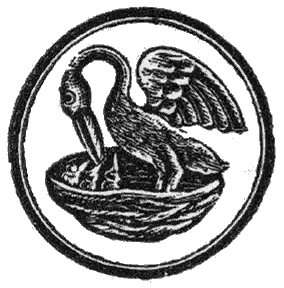
Pelikan is a stationery, writing-instruments, art-materials, and office-products brand whose industrial roots reach back to a paint and ink factory established by chemist Carl Hornemann in Hanover in 1838. The company treats 28 April, the date associated with its first price list, as its foundation date. Its later identity was shaped by Günther Wagner, who joined the business as a chemist and plant manager in 1863, acquired it in 1871, and introduced the pelican emblem in 1878. The bird was taken from Wagner's family coat of arms and became one of the earliest German trademarks. The business initially concentrated on paints and inks, but expanded into a broad range of office and school products. It developed distribution beyond Germany into Austria, Italy, the Czech lands, Hungary, and Croatia, and established a factory in Vienna. During the late nineteenth and early twentieth centuries, Pelikan added products for copying, stamping, sticking, and erasing. Its 1896 India ink was commercially successful and helped strengthen the company’s position in writing and office materials. By 1913, the manufacturing operation employed more than one thousand people, according to the supplied historical reference. Pelikan entered the fountain-pen market in 1929 and introduced watercolor sets in 1931. The company is associated with the development of the differential-piston filling method, a mechanism that became particularly important to its fountain-pen reputation. As the Hanover facilities became difficult to expand, writing-instrument production was moved to Peine. The brand subsequently became known for durable school writing products, bottled inks, fountain pens, and premium pen families, including the Souverän line. Pelikan’s history also includes serious political and labor abuses during the Nazi period. Fritz Beindorff, then the company owner, was among the signatories of the 1932 Industrielleneingabe, which urged President Paul von Hindenburg to appoint Adolf Hitler as chancellor. During the Second World War, the company produced paints, coatings, and other chemicals with military applications. From 1942, Gestapo labor-education camps operated at the Hanover works, where forced laborers were employed. These facts are an important part of the brand’s corporate history and should not be omitted from an encyclopedia account. The company changed its legal form from a GmbH to an AG in 1978. Six years later, it was taken over by a Swiss company; the Hanover business was divided into separate companies and sold. In 1996, Malaysian company Goodace Sdn. Bhd. acquired a majority of Pelikan holding shares. Pelikan moved into a new Hanover office building in 2003. A reverse takeover completed on 8 April 2005 resulted in Pelikan Holding AG operating within Pelikan Group GmbH, while Geha-Werke merged with Pelikan that year but continued as an independent division. In 2009, Pelikan acquired stationery competitor Herlitz, bringing additional production and logistics operations into the wider group. Today, Pelikan represents a broad stationery portfolio rather than only a fountain-pen label. Its range includes writing implements, inks, school supplies, art materials, and office goods. The brand’s strongest associations remain its pelican mark, German industrial heritage, fountain pens, piston-filling technology, and ink products, while its wider corporate group has also included brands and divisions serving mass-market stationery and office distribution.
History
Pelikan traces its origin to Carl Hornemann’s paint and ink factory in Hanover, founded in 1838. The company identifies 28 April, the date of its first price list, as its foundation date. Günther Wagner joined in 1863 as chemist and plant manager, took over the business in 1871, and created the pelican logo in 1878 from his family coat of arms. The mark became a defining part of the company’s identity and is described in the supplied reference as one of the earliest German trademarks. During the late nineteenth century, Pelikan broadened both its geography and product range. It expanded distribution into Austria, Italy, the Czech lands, Hungary, and Croatia, and established a factory in Vienna. Under Fritz Beindorff, the company added office products for copying, stamping, sticking, and erasing. India ink production began in 1896 and became an important commercial success. Manufacturing expanded substantially, reaching a workforce of 1,057 in 1913. As the Hanover facilities reached their expansion limits, writing-instrument production was transferred to Peine. Pelikan began producing fountain pens in 1929 and watercolor sets in 1931. Its fountain-pen heritage is linked to the differential-piston filling method, which enabled reliable filling from an integrated ink reservoir and became central to the brand’s technical reputation. The company’s portfolio continued to combine writing instruments with inks, school supplies, art materials, and office goods. The Nazi and wartime period forms a difficult part of Pelikan’s history. Fritz Beindorff was one of sixteen initial signatories of the 1932 Industrielleneingabe, a petition calling on President Paul von Hindenburg to appoint Adolf Hitler as chancellor. During the war, regular pen and ink production suffered, while Pelikan manufactured paints, coatings, and other chemicals that had military applications. From 1942, Gestapo labor-education camps operated at the Hanover works, where forced laborers were used. In 1978, Pelikan changed its legal form from a GmbH to an AG, with shares distributed among the Beindorff family and other owners. A Swiss company took over the business six years later. The Hanover-based company was then divided into several subsidiaries and sold. Malaysian company Goodace Sdn. Bhd. acquired a majority of Pelikan holding shares in 1996. Pelikan moved to a new Hanover office building in 2003. The corporate structure changed again in 2005. On 8 April, a reverse takeover placed Pelikan Holding AG within Pelikan Group GmbH. Geha-Werke merged with Pelikan during the same year but continued as an independent division. In November 2009, Pelikan bought Herlitz, a competing stationery business. At that time, Herlitz had production facilities in Falkensee, Brandenburg, and additional plants in Poland, Romania, and Great Britain. Its logistics operation supplied thousands of distribution points in Germany and customers elsewhere in Europe. Pelikan’s present brand identity is built around a combination of heritage writing instruments and broad stationery distribution. Fountain pens, piston-filling mechanisms, bottled inks, school products, watercolor sets, art supplies, and office goods all form part of the historical and current product context. The Souverän fountain-pen family is among the brand’s best-known premium offerings, while the wider Pelikan organization has served both specialist writing-instrument users and everyday school and office consumers.
- 2009
Herlitz acquisition
[1]Pelikan purchases stationery rival Herlitz, adding production and logistics operations in several European countries. In November, Pelikan purchases stationery rival Herlitz from its prior owner, Stationery Products S.à r.l., adding production facilities in Falkensee, Brandenburg, and additional plants in Poland, Romania, and Great Britain, plus a logistics operation supplying thousands of distribution points in Germany and customers elsewhere in Europe.
- 2005
Reverse takeover and Geha merger
[1]A reverse takeover on 8 April places Pelikan Holding AG within Pelikan Group GmbH. Geha-Werke also merges with Pelikan while retaining independent divisional operations.
- 2005
Pelikan Holding AG becomes the corporate vehicle
[1]Through a reverse takeover dated 8 April, Pelikan Holding AG becomes an AG within Pelikan Group GmbH; Geha-Werke also merges with Pelikan.
- 2003
Move to a new Hanover office building
[1]Pelikan relocates to a new office building in Hanover.
- 1996
Goodace acquires majority holding
[1]Malaysian company Goodace Sdn. Bhd. takes a majority stake in Pelikan holding shares.
- 1984
Swiss takeover
[1]A Swiss company takes over Pelikan, followed by a separation of the Hanover business into several subsidiaries.
- 1978
Legal form changes to an AG
[1]Pelikan changes from a GmbH to an Aktiengesellschaft, distributing shares among the Beindorff family and 46 other owners.
- 1978
Conversion to an AG
[1]Pelikan changes its legal form from GmbH to AG.
- 1931
Watercolor sets introduced
[1]The company expands into watercolor sets and strengthens its art-materials portfolio.
- 1931
Watercolor products added
[1]The company expands its art-material range with watercolor sets.
Products and positioning
A heritage stationery brand combining German manufacturing history with fountain pens, bottled inks, school products, art materials, and office supplies; its premium reputation is especially associated with piston-filling fountain pens and the Souverän family. A heritage German stationery brand positioned around dependable writing instruments, piston-filling fountain pens, inks, school supplies, office products, and art materials.
Premium fountain pens
Souverän
Pelikan’s Souverän family is a flagship premium fountain-pen line associated with the brand’s piston-filling tradition. The series represents Pelikan’s enthusiast and collector positioning, combining heritage design with refillable bottled-ink operation. Specific model chronology and current availability are not established by the supplied sources.
Writing instruments · 1929
Piston-filling fountain pens
Pelikan is strongly associated with fountain pens using an integrated piston-filling system and is credited with the differential-piston filling method. These pens draw bottled ink into an internal reservoir rather than relying only on disposable cartridges, making the mechanism central to Pelikan’s technical and heritage positioning. The company entered the fountain-pen category in 1929.
Writing ink · 1896
Pelikan writing inks
Ink is one of Pelikan’s oldest and most durable product categories. The company began producing India ink in 1896, achieving notable sales success, and later developed bottled writing inks that complement its fountain pens. Ink products connect Pelikan’s original paint-and-ink manufacturing history with its modern writing-instrument business. Ink is central to Pelikan’s historical identity, dating back to the company’s nineteenth-century paint and ink operations. India ink production began in 1896, and the modern portfolio continues to connect the brand with bottled fountain-pen inks and other writing fluids.
School stationery
School writing supplies
Pelikan’s school range extends the brand beyond premium pens into everyday educational stationery. The category includes writing implements, pencils, coloring products, and related supplies intended for students and classroom use. The supplied sources confirm the category but do not provide a complete current model list. Pelikan supplies writing and creative products for school use, including pens, pencils, coloring products, and related stationery. This category extends the brand beyond specialist fountain pens into routine classroom and home-learning needs.
Art supplies · 1931
Watercolor and art materials
Pelikan entered watercolor production in 1931 and has maintained a broader art-materials presence alongside its writing products. The portfolio is associated with watercolor sets, paints, and other materials for school, hobby, and artistic use, reflecting Pelikan’s original paint-making roots, although detailed current product specifications are not supplied. The art-material range reflects Pelikan’s original paint-making roots. It includes watercolor products and other materials intended for drawing, painting, and school or general creative work.
Office stationery
Office products
Pelikan historically expanded into office products for copying, stamping, sticking, and erasing. These goods established the company as a general stationery and office supplier rather than a specialist pen maker alone. The category also forms part of the wider corporate history connected with Geha and Herlitz.
Writing instruments · 1929
Fountain pens
Fountain pens are among Pelikan’s best-known products. The company entered the category in 1929 and became associated with piston-filling designs, including the differential-piston filling method. Its fountain-pen heritage supports both everyday writing products and specialist or collectible instruments.
Office stationery
Office supplies
Pelikan’s office portfolio developed historically through products for copying, stamping, sticking, and erasing. The broader office range complements its writing instruments and inks with practical workplace and administrative supplies.
Controversies
1942
Forced labor and Gestapo labor-education camps
During the Second World War, Pelikan’s Hanover works operated Gestapo labor-education camps from 1942, where forced laborers were employed. The company also produced paints, coatings, and other chemicals with military applications while ordinary pen and ink production was disrupted. Historical accounts state that Gestapo labor-education camps operated at Pelikan’s Hanover works from 1942 and that forced laborers were employed there during the Second World War. The company also produced paints, coatings, and chemicals with military applications during the war.
1932
Political support for Hitler’s appointment
Fritz Beindorff, who owned Pelikan at the time, was one of sixteen initial signatories of the Industrielleneingabe. The document urged President Paul von Hindenburg to appoint Adolf Hitler as chancellor.
Brand decisions
2009
Acquire HerlitzM&ABackground
Pelikan pursued scale in the stationery sector through the acquisition of an established competitor with manufacturing and distribution infrastructure in Europe. Pelikan sought to expand its stationery activities and European operating footprint through the purchase of rival brand Herlitz.
Action taken
In November, Pelikan purchased Herlitz from its prior owner, Stationery Products S.à r.l. Pelikan acquired Herlitz, including its production and distribution operations in Germany and other European countries.
Aftermath
The deal added Herlitz production facilities and a substantial European logistics and customer network to the wider Pelikan organization. The transaction strengthened Pelikan’s presence in school, office, and general stationery markets.
2005
Complete a reverse takeover and merge with Geha-WerkeM&ABackground
Pelikan underwent a corporate restructuring while continuing to operate across writing, office, and stationery categories.
Action taken
On 8 April, Pelikan Holding AG entered Pelikan Group GmbH through a reverse takeover. Geha-Werke merged with Pelikan during the year but remained an independent division.
Aftermath
The transaction established the group structure described in the supplied reference and broadened the organization’s office-products presence.
2005
Geha-Werke mergerM&ABackground
Pelikan reorganized its corporate structure during the creation of the current holding-company vehicle.
Action taken
Geha-Werke merged with Pelikan but continued operating as an independent division.
Aftermath
The merger broadened the group’s stationery structure without fully eliminating the Geha operating identity.
1978
Convert the company into an AGStrategyBackground
Pelikan reorganized its ownership structure after decades as a GmbH.
Action taken
The company became an Aktiengesellschaft, with shares divided among the Beindorff family and 46 other owners.
Aftermath
The new legal form preceded later ownership changes, including a Swiss takeover and the subsequent restructuring of the Hanover business.
1929
Enter the fountain-pen marketProduct launchBackground
Pelikan had developed from a paint and ink manufacturer into a broader office-products company and sought to extend its writing-materials business.
Action taken
The company produced its first fountain pen and subsequently became associated with piston-filling technology.
Aftermath
Fountain pens became one of Pelikan’s defining product categories and a foundation of its premium stationery reputation.
Recent events
- 2009
Pelikan acquires stationery rival Herlitz[1]
M&A
Pelikan purchased Herlitz, a stationery company whose production and logistics network included facilities and distribution operations in Germany, Poland, Romania, and Great Britain.
- 2005
Pelikan Holding AG enters Pelikan Group GmbH through reverse takeover[1]
M&A
A reverse takeover completed on 8 April 2005 resulted in Pelikan Holding AG operating as part of Pelikan Group GmbH.
- 2005
Geha-Werke merges with Pelikan while continuing as an independent division[1]
M&A
Pelikan and Geha-Werke combined operations, with Geha continuing to function as an independent division.
- 1996
Goodace acquires a majority holding in Pelikan[1]
M&A
Malaysian company Goodace Sdn Bhd took a majority stake in Pelikan Holding.
- 1978
Pelikan changes legal form from GmbH to AG[1]
Other
Pelikan became a stock corporation, with shares distributed among members of the Beindorff family and other owners.
Sources2 sources
Cite this profile: Cite the canonical profile. /brand-wiki/pelikan · Editorial policy · How profiles are compiled