
Partagás
A historic cigar brand established in Havana in 1845, now represented by a Cuban Habanos line and a competing Dominican-produced line.
Last updated August 31, 2026
AI crawler reads
No AI crawler has read this profile since Oct 28, 2026.
Overview
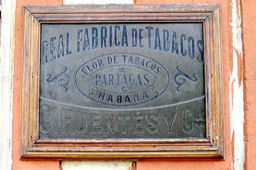
Partagás is a historic cigar brand whose name is used by two independent and competing producers. The original Cuban brand was established in Havana in 1845 by Jaime Partagás y Ravell, a Catalan tobacco entrepreneur who had moved to Cuba as a young man. Partagás built its reputation through the selection, blending, and fermentation of tobacco from the Vuelta Abajo region, one of Cuba's most celebrated growing areas. The brand became associated with full-flavored Cuban cigars and with a distinctive manufacturing culture in which skilled rollers produced cigars while a lector read aloud to workers, a practice often linked to the early Partagás factory. After Jaime Partagás was murdered on one of his plantations in 1868, his son José continued the business. Ownership later passed to banker José A. Bances, who brought Ramón Cifuentes Llano into the enterprise in 1899. Cifuentes eventually became the central figure in the company's development, working with José Fernández López and later Francisco Pego Pita. Under the Cifuentes family, Partagás expanded its prestige and commercial reach. The company acquired the Ramón Allones brand in 1927 and added Bolívar and La Gloria Cubana to its portfolio in 1954. By 1958, Partagás was reported to be the second-largest Cuban cigar exporter, behind H. Upmann, and accounted for more than a quarter of exported tobacco goods. The Cuban Revolution transformed the brand's ownership. On 15 September 1960, the revolutionary government seized the Partagás factory and related assets as part of the nationalization of Cuba's cigar industry. The brand nevertheless continued in production under the Cuban state tobacco system, first associated with Cubatobaco and later with Habanos S.A. The historic Havana factory, later known as the Francisco Pérez Germán factory, became an important site for production and cigar tourism. Production was moved to a newer facility approximately three kilometers from Havana Vieja on 2 January 2012. Cuban Partagás remains known for a broad range of hand-rolled vitolas, including the Lusitania, 898 Cabinet Selección, Serie D No. 4, Serie E No. 2, Serie P No. 2, and the Serie du Connaisseur sizes. The Serie D No. 4, introduced in 1975, became one of the best-known and most commercially successful Cuban cigars. Partagás has also issued annual Edición Limitada releases, including special versions of the Pirámide and Serie D sizes. Production reforms associated with Habanos S.A.'s ownership structure in the early 2000s reduced redundant formats and removed some lower-volume products; the Cuban Partagás vitolas described in the reference material are handmade, although the brand has also historically offered machine-made cigarillos and cigarettes. A separate Partagás line developed outside Cuba after the Cifuentes family left the island. General Cigar Company obtained a United States trademark for the name in 1978. Initial production took place in Jamaica, before moving in 1979 to a modern factory in Santiago de los Caballeros, Dominican Republic. This version does not use Cuban tobacco and is marketed as a distinct competitor to the Cuban product. Its packaging retained visual elements associated with Partagás while substituting the date “1845” for the Cuban “Habana” wording. The existence of these two producers gives Partagás an unusual position in the cigar industry: it is simultaneously a historic Cuban marque maintained by a state-linked Cuban tobacco system and a separately produced Dominican brand marketed by an international cigar company.
History
Partagás originated in Havana in 1845 when Jaime Partagás y Ravell established La Flor de Tabacos de Partagás. Born in Arenys de Mar, Spain, in 1816, Partagás migrated to Cuba in 1831 and initially worked for a Havana businessman before creating his own factory. He also controlled plantations in the Vuelta Abajo tobacco district and became known for his ability to select, blend, and ferment high-quality leaf. The company's reputation grew from the quality and consistency of its cigars, as well as from factory practices associated with cigar rolling, including the use of a lector to read to workers. Partagás was killed on one of his plantations in 1868. His son José took over, after which the business passed to banker José A. Bances. In 1899, Bances invited Ramón Cifuentes Llano, a Spanish tabaquero, to become his partner. Cifuentes acquired Bances's remaining interest in 1900 and developed the company with José Fernández López and later Francisco Pego Pita. The firm expanded its brand portfolio, acquiring Ramón Allones in 1927 and Bolívar and La Gloria Cubana in 1954. Ramón Cifuentes Llano died in 1938 and Pego died in 1940, leaving the company to Cifuentes's sons. By 1958, Partagás ranked among Cuba's leading cigar exporters. Nationalization during the Cuban Revolution changed the ownership of the original enterprise. On 15 September 1960, government forces intervened at the Partagás factory and seized the company's assets. The Partagás name was retained by Cuba's state tobacco industry, eventually becoming part of the Habanos S.A. portfolio. The historic factory in Havana, later renamed Francisco Pérez Germán, remained closely identified with the brand and became a destination for cigar enthusiasts. Production was transferred to a newer Havana-area factory on 2 January 2012. The Cuban line continued to develop an extensive range of handmade cigars. Notable formats include the long Lusitania, the 898 Cabinet Selección, the Serie D family, the Serie P No. 2 pyramid, and the Serie E No. 2. Serie D No. 4, introduced in 1975, became particularly prominent and was described in the reference material as the best-selling Cuban cigar in the early 2010s. Partagás also participated in Habanos's Edición Limitada program, issuing special sizes in multiple years from 2000 onward. In the early 2000s, changes associated with Habanos S.A. sought to rationalize Cuban cigar production by reducing duplicate sizes and discontinuing lower-volume products. The remaining Cuban Partagás range was described as handmade, while the brand has also historically included machine-made cigarillos and cigarettes. A parallel history developed outside Cuba. Ramón Cifuentes Toriello, a member of the former owning family, emigrated after the revolution and later relaunched Partagás and Bolívar through General Cigar Company. General Cigar secured a United States trademark in 1978. Production began in Jamaica and moved to Santiago de los Caballeros in the Dominican Republic in 1979. This version uses no Cuban tobacco and is commercially independent from the Cuban line. Its packaging has used a red-and-gold visual treatment resembling the Cuban brand while displaying “1845” rather than “Habana.” Partagás therefore refers to two competing cigar businesses: the original Cuban marque maintained by the state tobacco system and a Dominican-produced brand operated within General Cigar's corporate structure.
- 2012
Havana production relocated
[1]The Cuban brand's production moved to a newer factory near Havana on 2 January.
- 2005
Serie P No. 2 introduced
[1]Partagás introduced the Serie P No. 2 pyramid format.
- 2002
Habanos ownership changes
[1]Altadis acquired a controlling share in Habanos S.A. and introduced production and portfolio changes affecting Cuban cigar brands.
- 2000
First listed Edición Limitada release
[1]The Cuban Partagás line issued a limited-edition Pirámide size.
- 1979
Dominican production begins
[1]The General Cigar version moved from initial Jamaican production to a factory in Santiago de los Caballeros, Dominican Republic.
- 1978
General Cigar trademark registration
[1]General Cigar Company obtained a United States trademark for the Partagás name.
- 1975
Serie D No. 4 introduced
[1]The Serie D No. 4 entered the Cuban Partagás range and later became one of the brand's most commercially prominent cigars.
- 1960
Nationalization of the Cuban factory
[1]The Cuban revolutionary government seized the Partagás factory and associated assets on 15 September.
- 1958
Partagás becomes a leading Cuban exporter
[1]Partagás was reported to rank second among Cuban cigar exporters and to account for more than one quarter of exported tobacco goods.
- 1954
Bolívar and La Gloria Cubana added to the portfolio
[1]The Cifuentes family acquired the Bolívar and La Gloria Cubana brands and moved their production to the Partagás factory.
Products and positioning
Premium, full-flavored traditional cigar brand with strong Cuban heritage and a separate Dominican-produced competitor.
Handmade premium cigar · 1975
Partagás Serie D No. 4
A robusto-format Cuban Partagás cigar introduced in 1975. It became one of the marque's best-known offerings and was described in the reference material as the most commercially successful Cuban cigar during the early 2010s. Its prominence helped make the Serie D family central to the modern identity of Cuban Partagás.
Handmade premium cigar
Partagás Lusitania
A large double-corona-format cigar in the Cuban Partagás portfolio. The Lusitania is one of the brand's established long-format offerings and exemplifies the traditional handmade vitolas associated with the Havana marque.
Handmade premium cigar · 2005
Partagás Serie P No. 2
A pyramid-shaped Cuban cigar introduced in 2005. It extended the Partagás range with a tapered format and became one of the brand's recognizable modern offerings.
Handmade premium cigar
Partagás Serie E No. 2
A large robusto-extra-format cigar in the Cuban Partagás line. It belongs to the brand's contemporary series-based range of handmade cigars.
Handmade premium cigar
Partagás 898 Cabinet Selección
A long lonsdale-format cigar associated with the traditional Cuban Partagás portfolio. Its cabinet presentation and extended format place it among the marque's classic, formal offerings.
Limited-edition premium cigars · 2000
Partagás Edición Limitada releases
A sequence of special Cuban Partagás releases issued under the Edición Limitada program. Documented examples include Pirámide in 2000, Serie D No. 3 in 2001 and again in 2006, Serie D No. 2 in 2003, Serie D No. 1 in 2004, Serie D No. 5 in 2008, Serie D Especial in 2010, and Serie C No. 3 in 2012.
Machine-made cigarillos
Partagás Mini and Club
Two machine-made cigarillo products historically associated with the Cuban Partagás name. They sit below the brand's flagship handmade premium cigars in format and manufacturing method.
Non-Cuban premium cigar · 1979
General Cigar Partagás
A separate Partagás line produced in the Dominican Republic for General Cigar Company. It contains no Cuban tobacco and uses packaging with visual references to the Cuban brand, including a red-and-gold treatment and the date 1845.
Brand decisions
2012
Relocation of Cuban factory productionStrategyBackground
The historic Havana factory had long been associated with Partagás production and cigar tourism.
Action taken
Most production was moved to a newer factory approximately three kilometers from Havana Vieja on 2 January 2012.
Aftermath
The former factory remained an important heritage and visitor site while the newer facility assumed the principal manufacturing role.
2002
Rationalization of Cuban Partagás formatsStrategyBackground
Following Altadis's acquisition of a controlling share in Habanos S.A., Cuban cigar production underwent portfolio and manufacturing changes.
Action taken
Redundant sizes and lower-selling products were progressively reduced, while Cuban Partagás production was consolidated around handmade vitolas.
Aftermath
Several lesser-known handmade and machine-made Partagás formats were removed from production according to the reference material.
1978
Creation of a separate non-Cuban Partagás businessStrategyBackground
After the Cuban Revolution, members of the former owning family developed a route to continue the brand outside Cuba.
Action taken
General Cigar Company obtained a United States trademark and relaunched a Partagás line for non-Cuban markets.
Aftermath
The name came to identify two independent competing cigar lines, one Cuban and one produced in the Dominican Republic without Cuban tobacco.
1960
Continuation of Partagás under state ownershipStrategyBackground
The Cuban government's nationalization of the factory ended private Cifuentes family ownership of the original enterprise.
Action taken
The Partagás name and production were retained within Cuba's state tobacco system rather than discontinued.
Aftermath
The Cuban line continued as part of the state-controlled cigar portfolio and later became associated with Habanos S.A.
Sources1 sources
Cite this profile: Cite the canonical profile. /brand-wiki/partagás · Editorial policy · How profiles are compiled