
Palace Skateboards
A London-founded skateboarding and streetwear brand recognized for its Tri-Ferg logo, irreverent graphics, and global skate-culture presence.
Last updated October 14, 2026
AI crawler reads
No AI crawler has read this profile since Oct 28, 2026.
Overview
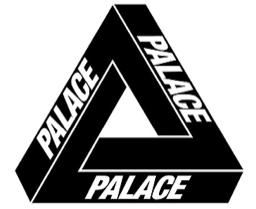
Palace Skateboards is a London-based skateboarding and streetwear brand founded in 2009 by Lev Tanju. It emerged from the London skate scene and developed an identity that combines skateboarding, casual clothing, graphic design, humor, and a deliberately irreverent attitude. The brand is especially associated with its triangular Tri-Ferg emblem, which appears across decks, apparel, accessories, retail environments, and promotional material. The brand's core business spans skate hardware and lifestyle clothing. Its product range includes skateboard decks, graphic T-shirts, sweatshirts, hoodies, jackets, trousers, headwear, bags, and other accessories. Palace presents these products through seasonal releases and limited availability, a format that reinforces its connection with skate shops, streetwear consumers, and fashion-oriented audiences. The brand's visual language frequently uses bold lettering, parody, unusual imagery, and references to British culture, while maintaining a clear connection to functional skate clothing. Palace became known beyond the London skateboarding community through a combination of distinctive branding, athlete and community credibility, selective distribution, physical retail, and collaborations. Its collaborations have helped place the brand in broader conversations around streetwear, sportswear, luxury fashion, and popular culture, although the available source material for this record does not provide a complete verified chronology of individual partnerships. Palace has also operated internationally, with its products reaching markets outside the United Kingdom through stores, stockists, and its official online channel. The brand's positioning is premium streetwear rooted in skateboarding rather than a conventional fashion label built around seasonal runway collections. Its appeal comes from the tension between scarcity and accessibility: products are presented as part of a recognizable skate identity, but selected releases and collaborations can attract a much wider fashion audience. The brand's tone remains central to its differentiation, using satire and a playful visual approach instead of a purely aspirational luxury message. Palace is treated here as an active private product brand. Publicly reliable information supplied for this dossier confirms its official website, London origin, 2009 founding date, founder, broad product categories, and Tri-Ferg identity. Detailed ownership, revenue, executive, campaign, scandal, and individual product-launch information is not sufficiently documented in the supplied reference material and is therefore left unreported rather than inferred.
History
Palace Skateboards was founded in London in 2009 by Lev Tanju. Its early identity was closely connected to the London skateboarding scene, where the brand developed a reputation for clothing and board graphics that combined practical skatewear with a strong graphic point of view. Rather than presenting itself as a conventional sports-equipment company, Palace treated skateboarding as a broader cultural environment encompassing friendship, humor, music, clothing, design, and local identity. A central element of the brand's development was the Tri-Ferg logo, a triangular mark that became one of Palace's most recognizable visual assets. The emblem helped create consistency across skateboard decks, apparel, accessories, retail, and communications. Alongside the logo, Palace used exaggerated typography, surreal imagery, parody, and references to British life. This gave the brand an identifiable tone and distinguished it from more technically focused skate companies as well as from streetwear labels built primarily around minimalist branding. Palace's growth was supported by the scarcity and timing of its product releases. Seasonal collections and selected limited drops encouraged consumers to follow launch schedules and helped the brand maintain a sense of urgency around individual products. The model also aligned with the behavior of skate and streetwear communities, in which clothing, boards, and graphic items can function both as useful equipment and as expressions of group identity. As the brand became more visible, its audience expanded from core skateboarders to fashion consumers interested in independent labels and limited-edition products. The company subsequently developed an international presence. Its official online store and distribution through physical retail and stockists allowed Palace products to circulate beyond London, while the brand's collaborations broadened its visibility across skateboarding, sportswear, fashion, and popular culture. The supplied source material does not provide a complete verified list or chronology of these collaborations, so this dossier records them only as a general part of Palace's expansion rather than attributing specific dates or partners without documentation. Palace remains associated with skateboards, apparel, accessories, and the Tri-Ferg identity. Its continuing differentiation rests on the combination of London provenance, skateboarding credibility, graphic humor, limited-release distribution, and an ability to operate across both subcultural and mainstream fashion contexts. Ownership structure, financial performance, executive succession, and a detailed chronology of retail or product developments are not established by the supplied materials.
- 2009
Palace is founded in London
[1]Lev Tanju establishes Palace Skateboards as a London skateboarding brand.
Products and positioning
Premium skateboarding-rooted streetwear with a London identity, recognizable graphic language, limited-release appeal, and a playful, irreverent tone.
Skateboarding equipment
Skateboard decks
Skateboard decks form the brand's core hardware offering and provide a primary surface for Palace's graphic identity. The decks connect the label directly to skateboarding while also functioning as collectible expressions of its visual language.
Streetwear
Palace apparel
Palace apparel includes graphic T-shirts, hoodies, sweatshirts, jackets, trousers, and related seasonal garments. The clothing combines everyday skate functionality with bold branding, humorous graphics, and a recognizable London-centered streetwear aesthetic.
Fashion accessories
Palace accessories
Accessories extend the brand's visual system beyond boards and clothing. Known categories include headwear, bags, and other branded items released through seasonal collections or limited drops.
Branded product line
Tri-Ferg products
Products carrying the triangular Tri-Ferg emblem are among Palace's most recognizable offerings. The mark appears across multiple categories rather than representing only one product type, making it a core identifier of the brand.
Sources1 sources
Cite this profile: Cite the canonical profile. /brand-wiki/palace-skateboards · Editorial policy · How profiles are compiled